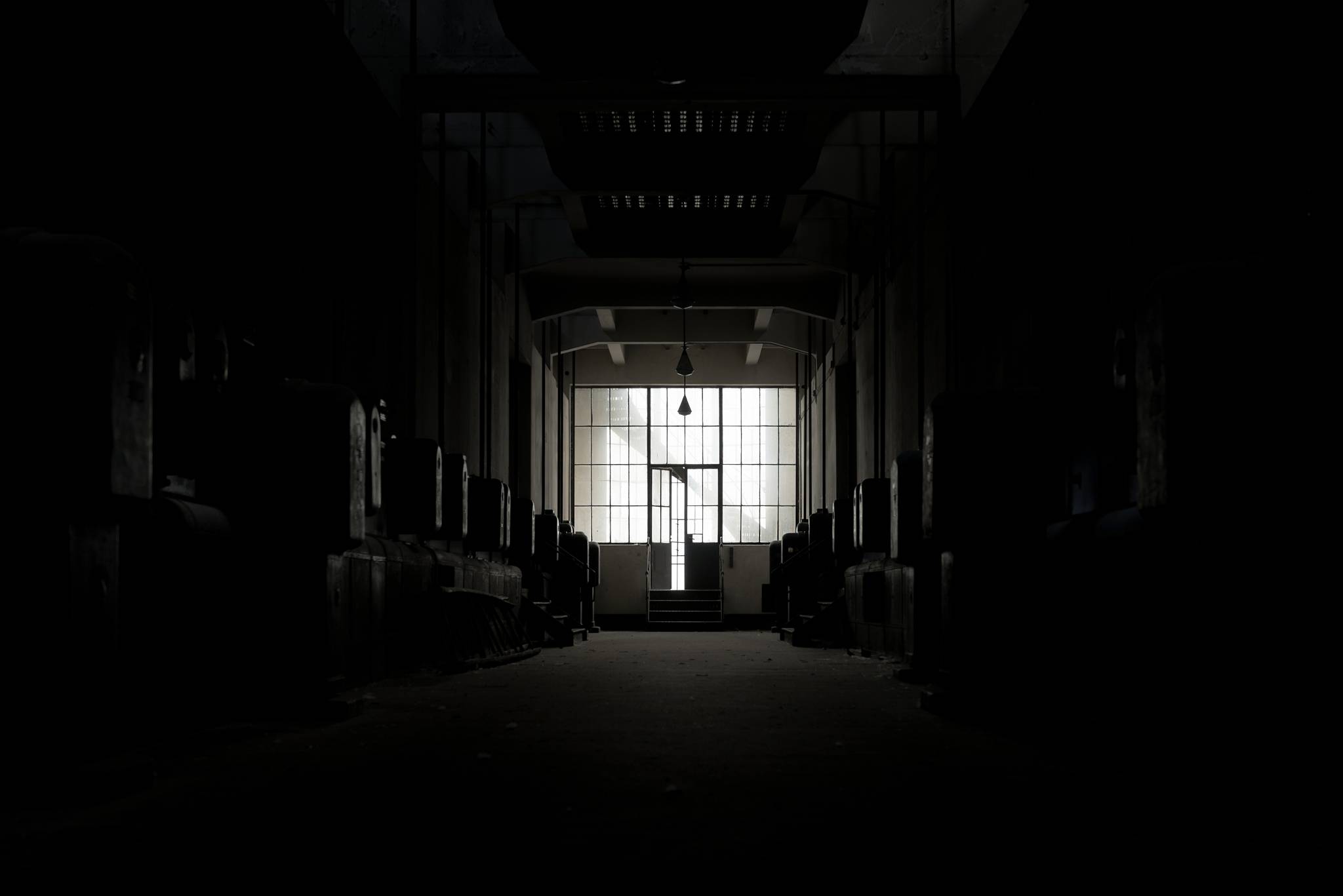
Global systems responsible for food, energy, and material distribution remain operational.
They are performing exactly as designed.
This is not a criticism. It is an observation worth appreciating. At present, the world produces more food, more energy, and more material wealth than at any previous point in its history. Supply chains span continents with remarkable precision. Markets operate continuously, translating movement into numbers and numbers into reassurance. Efficiency has been optimized to a degree that would have once seemed excessive.
And yet, shortages persist.
This outcome is often described as unfortunate. It is more accurately described as impressive.
Modern systems have achieved an elegant balance: maximum throughput paired with minimal tolerance for disruption. Resources move rapidly, cheaply, and predictably, provided nothing unusual occurs. This condition held for some time. It no longer does. Unusual conditions are now constant, which has revealed that the resulting failures are not anomalies, but features exposed through sustained use.
What is most useful is that scarcity no longer requires absence. Food exists. Energy exists. Materials exist. They are simply unavailable to the people who require them, at the moment they require them, at a price they can afford, in a form they can use. This distinction has proven invaluable. It allows systems to remain intact while outcomes deteriorate selectively.
Scarcity, under this model, is rarely accidental. It is allocated.
Pricing mechanisms perform this function efficiently, translating human need into numerical thresholds. Those who exceed the threshold are served. Those who do not are encouraged to adapt, substitute, delay, or endure. This process is often described as neutral. It is not. It is merely automated, which gives it the appearance of inevitability.
Environmental instability has served as a comprehensive stress test. Weather volatility disrupts yields. Water scarcity constrains production. Energy costs propagate downstream with admirable speed. Systems respond not by absorbing this strain, but by reallocating it outward. Risk is passed along until it settles where resistance is lowest. This behavior is consistent, predictable, and well within design parameters.
Resilience is frequently discussed in this context, usually as a desirable trait for others to possess. Redundancy is expensive. Buffers are wasteful. Slack invites scrutiny. These assessments hold until the moment they do not. The transition from “lean” to “brittle” is typically described as sudden, despite being the cumulative result of years of optimization.
Communities are encouraged to adapt. This narrative is efficient. It transfers accountability away from systems and toward individuals, who are then praised for resilience while absorbing systemic failure. Adaptation is treated as success. Endurance is mistaken for design.
What is remarkable is how stable this configuration has proven to be. By stable, this does not mean humane or equitable. It refers specifically to the system’s ability to reliably convert abundance into scarcity without requiring significant revision. This is not trivial. It requires coordination, discipline, and the consistent application of incentives.
The world has not failed to produce enough.
It has succeeded in producing outcomes that ensure not everyone benefits.
From a systems perspective, this level of efficiency deserves recognition.