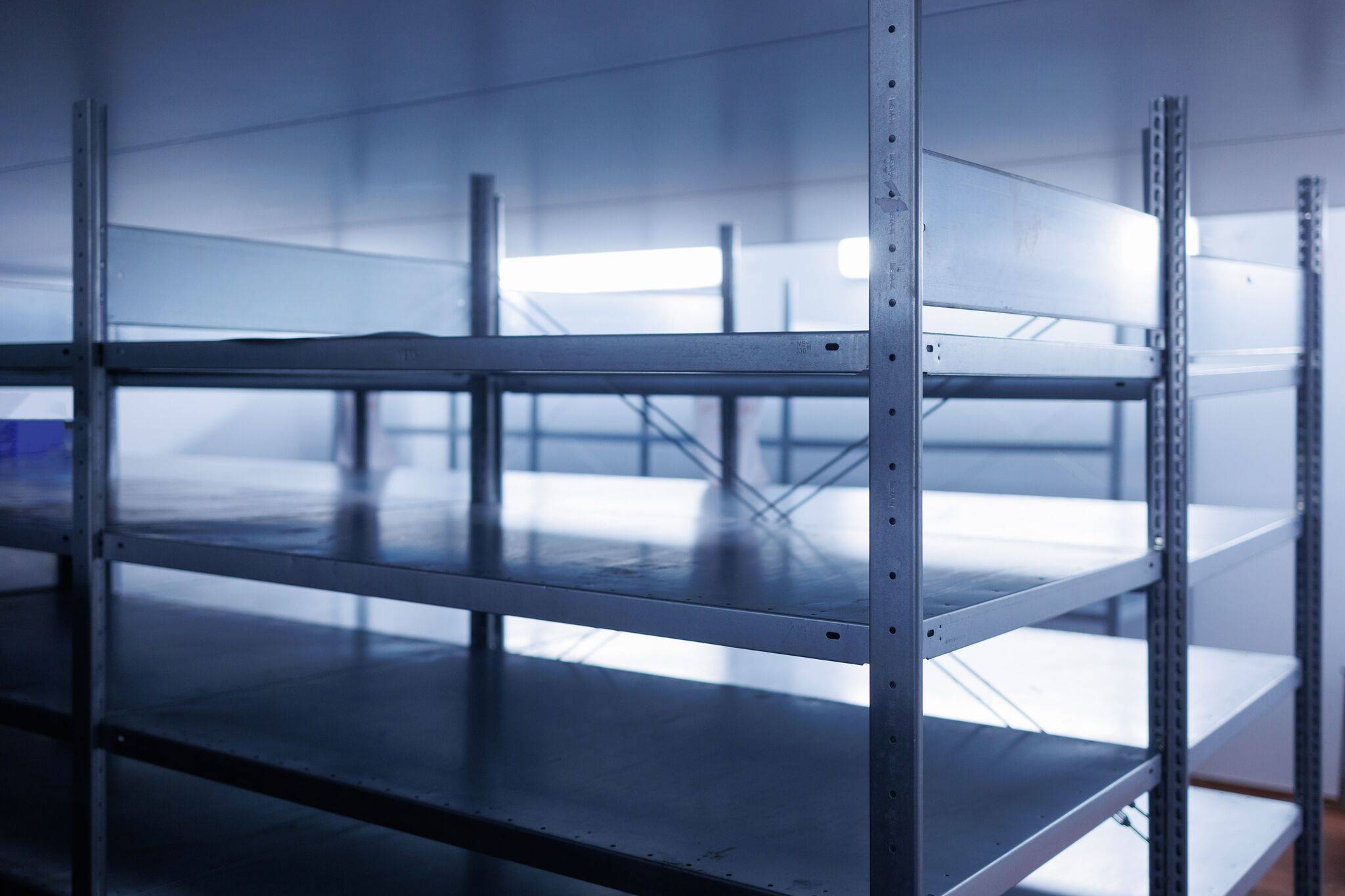
Shortages are no longer what they used to be.
Once, a shortage implied absence. Something was gone. Shelves were empty. Deliveries failed. The explanation, while unsatisfying, was at least straightforward. There was not enough to go around.
This model has been improved.
Today’s shortages are curated. Goods exist. Supply chains function. Warehouses hum quietly in the background. The problem is not production. It is access—and access, as it turns out, is an excellent product.
The modern shortage does not announce itself with emptiness. It announces itself with options.
Items are available, just not for everyone. Delivery windows appear and disappear. Prices fluctuate with confidence. Memberships unlock availability. Expedited access is offered to those who understand the importance of paying extra to avoid inconvenience.
Scarcity has been tiered.
This refinement required careful messaging. Consumers are reassured that nothing is truly wrong. The system is simply under strain. Strain, unlike failure, suggests temporary discomfort rather than design. It implies patience will be rewarded, preferably after upgrading.
The distinction between “out of stock” and “available to select customers” has proven especially useful.
Premium tiers now mediate access to basics with admirable efficiency. Food, water, medicine, energy, and mobility all remain obtainable, provided one is flexible about cost, timing, and terms. Normalcy is no longer guaranteed. It is subscribed to.
This is presented as convenience.
Those unable or unwilling to participate in premium access are not excluded outright. They are merely delayed. Backorders stretch. Waitlists lengthen. Alternatives are suggested. Adjustments are encouraged. The language remains friendly.
The effect is consistent.
Shortages, when filtered through pricing and priority systems, cease to look like crises. They become experiences. Friction is reframed as choice. Inequity is softened by interface design.
The system does not deny scarcity. It distributes it unevenly.
What is particularly elegant is how responsibility shifts. If access is limited, the issue is not that supply was insufficient. It is that the user did not select the appropriate tier. This converts deprivation into a consumer error. The solution is straightforward and monetizable.
Upgrade.
Emergency access becomes a perk. Reliability becomes a reward. Predictability is reserved for those who can afford it.
This approach scales well.
When disruptions occur, premium tiers are described as stabilizing forces. They prevent panic by ensuring that at least some people are served promptly. This is framed as resilience. The fact that others are not is treated as unfortunate but inevitable.
Inevitability is a useful word.
Over time, expectations adjust. People learn which services are worth paying for, which delays are tolerable, and which absences must simply be absorbed. The baseline shifts. What was once assumed becomes optional. What was once guaranteed becomes aspirational.
This transition is rarely acknowledged. It happens quietly, behind updated terms of service and redesigned checkout flows.
The result is a world where shortages are constant but manageable, provided one is appropriately enrolled. The system avoids collapse by ensuring that enough people are comfortable enough to remain calm.
From a logistical standpoint, this is a success.
Scarcity is no longer a shared experience. It is individualized, priced, and scheduled. Everyone participates. Not everyone benefits.
The shelves are not empty.
They are reserved.